Thinking about buying a rental in Franklin but not sure where the numbers land? You are not alone. Small investors want clear rent ranges, realistic cap rates, and a simple path to due diligence before writing an offer. In this guide, you will see what homes cost, what rentals fetch, how to underwrite a deal, and what local rules to know so you can move with confidence. Let’s dive in.
Franklin rental market at a glance
Franklin sits in Warren County within the Dayton–Cincinnati corridor, and it has a meaningful renter base. Census estimates show roughly 60% owner and 40% renter households, with vacancy around 6% for the city. You can use these figures as a baseline for demand and turnover. Review the latest figures on the Census QuickFacts page for Franklin.
Home values in Franklin vary by data source. A recent modeled typical value lands near the mid two hundreds, while a recent median sold snapshot was meaningfully lower due to small-market swings. The key takeaway is that Franklin pricing can shift with a few sales, so you should underwrite using street-level MLS comps for your specific property.
On the rent side, most listings fall in the $1,000 to $1,500 range. An apartment-market model shows an average rent around $1,172 per month, with a 3‑bed asking near $1,704 and a 2‑bed near $1,177. Review the current breakdown on RentCafe’s Franklin page. Vendor variance exists, but overall ranges are consistent.
Demand drivers and renters
You will see steady interest from commuters who work in Dayton or Cincinnati, along with local service and industrial workers and families seeking value. Franklin is roughly 33 miles to Cincinnati by road, which helps attract regional commuters who want a shorter drive without big-city housing costs. You can confirm the drive time on Travelmath’s distance tool.
Downtown and the riverfront remain community anchors, with parks and local amenities that appeal to a range of renters. Proximity to these areas can help with leasing velocity and renewal odds. As always, evaluate each block on its own merits for access, condition, and upkeep.
What to buy in Franklin
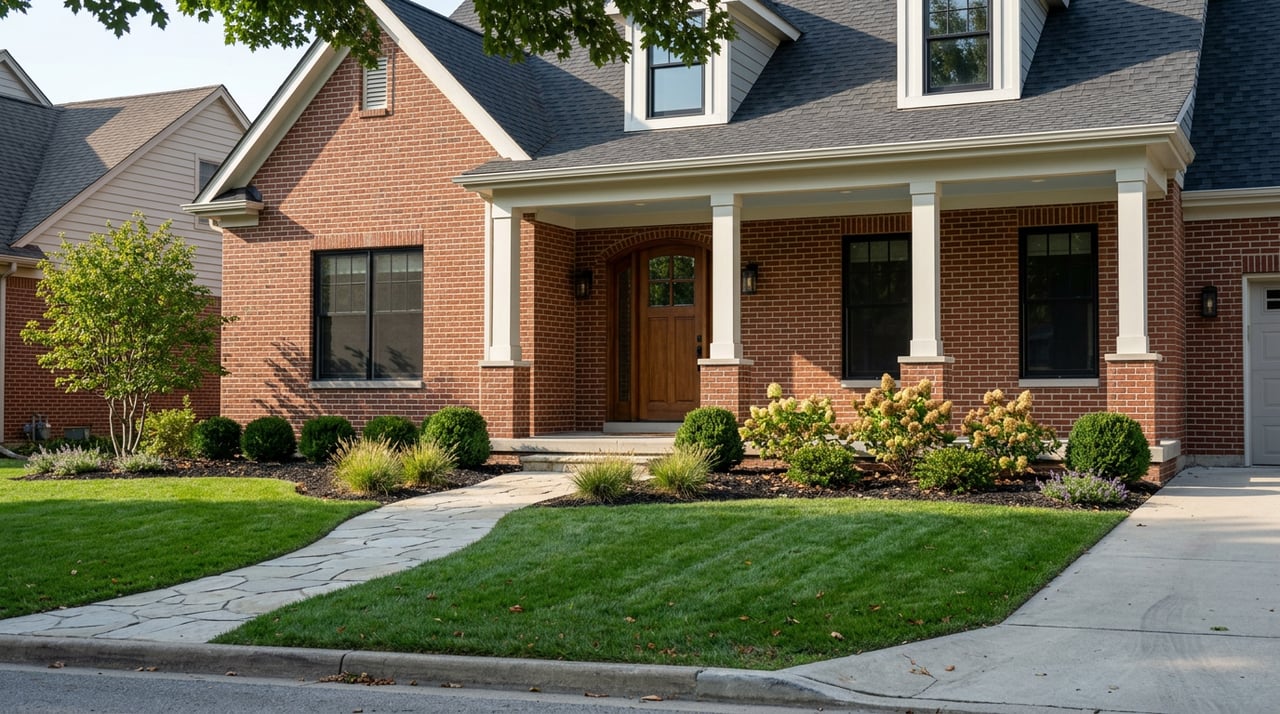
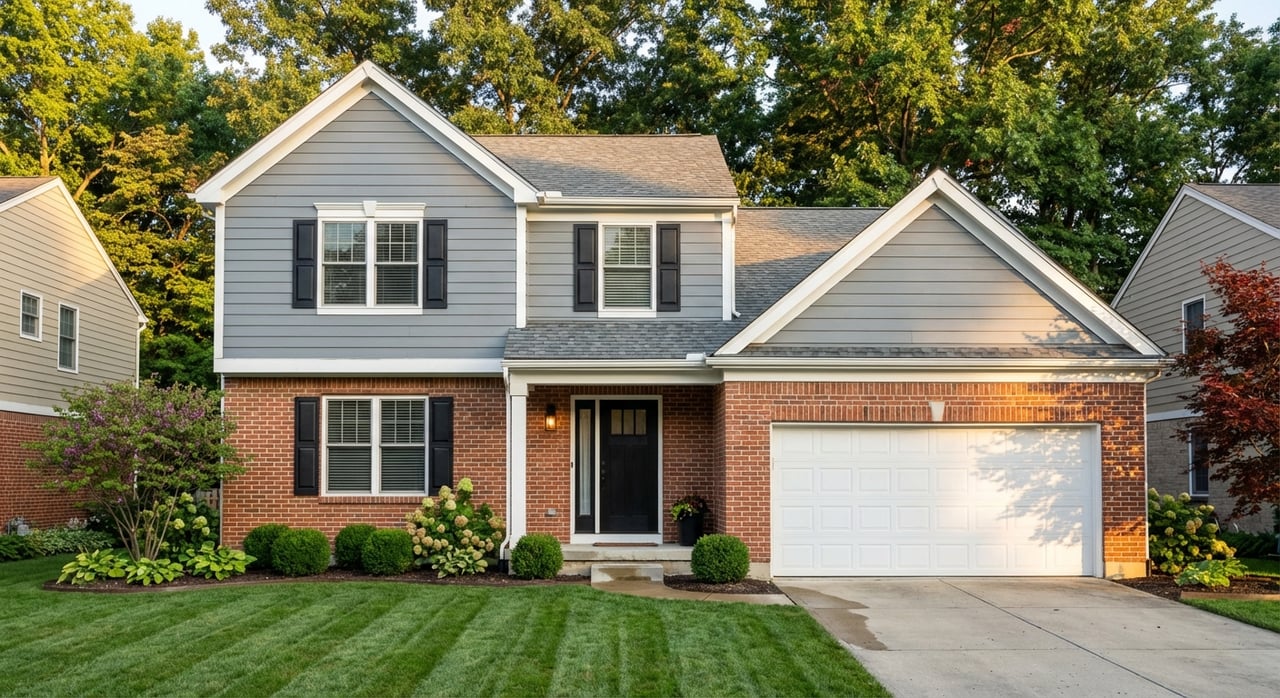
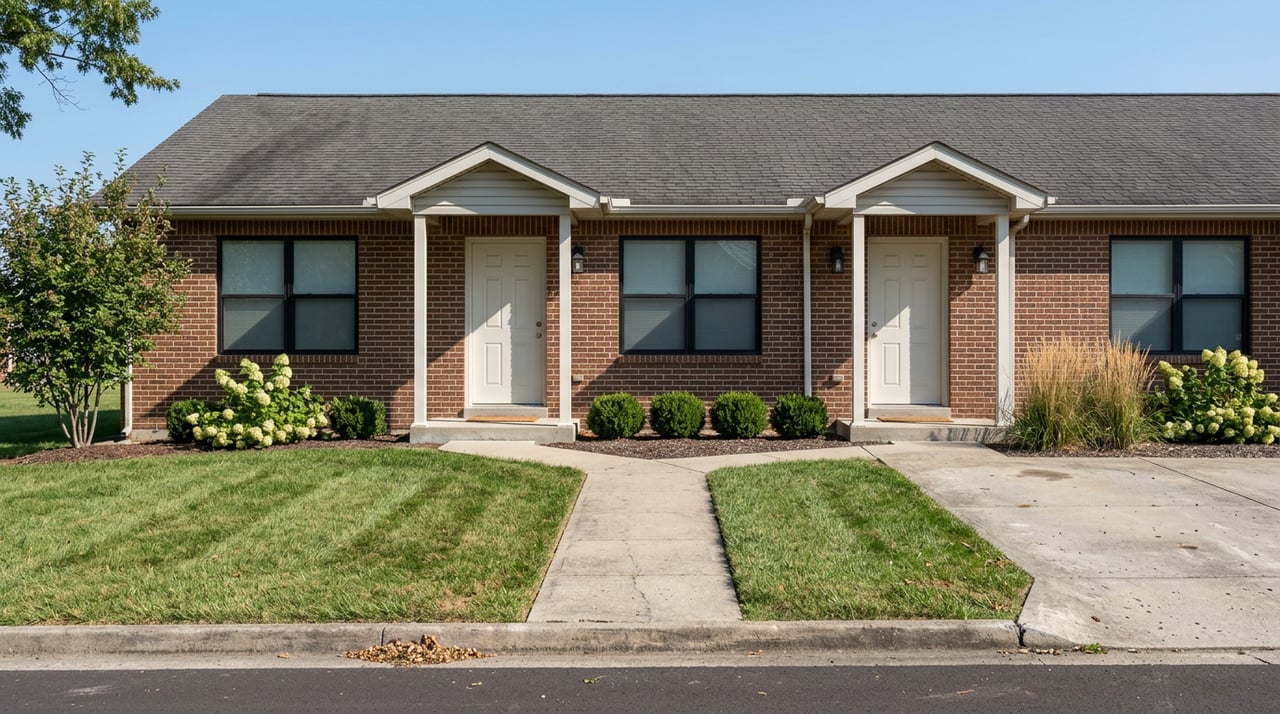
Franklin’s housing stock is dominated by single-family detached homes, which are the most common rental product for families. You will also find some small multifamily options in the 2–4 unit range. If you plan to live in one unit, FHA financing may allow you to buy 2–4 units with lower down payments, provided you follow owner‑occupancy rules. Review the basics on HUD’s FHA information page.
Tip: In a small market, street-level condition matters. Historic homes may command different rent dynamics and can have higher maintenance needs. Newer subdivisions can be easier to lease quickly. Walk the comps, verify systems age, and price each unit by true condition.
Simple underwriting examples
Below are two illustrative examples that use current vendor data for context. These are not projections, just simple cap-rate snapshots you can adapt to your own model.
Scenario A: single-family near typical value
- Purchase price proxy: $256,247 (modeled typical value)
- Rent assumption: 3‑bed asking ≈ $1,704 per month (current market asking, see RentCafe)
- Gross annual rent: 1,704 × 12 = $20,448
- Expense load (assume 45% of rent for taxes, insurance, repairs, vacancy, management, capex): NOI ≈ $11,246
- Implied all‑cash cap: 11,246 ÷ 256,247 ≈ 4.4%
Scenario B: lower median sold snapshot
- Purchase price proxy: $178,188 (recent median sold snapshot)
- Rent assumption: 2‑bed ≈ $1,177 per month (see RentCafe)
- Gross annual rent: 1,177 × 12 = $14,124
- NOI at 45% expenses: $7,768
- Implied all‑cash cap: 7,768 ÷ 178,188 ≈ 4.4%
What this means: At current medians and asking rents, headline cap rates are low to mid single digits. To improve returns, you will likely need a below-median purchase price, value‑add to raise rents, or a small multifamily with stronger per‑unit economics. With typical investor financing, cash‑on‑cash can be thin unless the buy box or business plan moves the needle.
Return strategies that work
Consider these approaches if you want to beat the averages:
- Target light value‑add SFRs. Cosmetic work or systems updates can justify rent above local averages. Aim for projects where improved condition supports 10 percent or greater rent upside.
- Hunt small multis. A duplex or 3–4 unit can smooth vacancy and raise yield. If you plan to occupy, explore FHA options for 2–4 units.
- Get hyper‑local with comps. The market is small, so pricing can swing. Pull 12–24 months of closed sales and active rents around your subject to set your assumptions.
- Watch expenses. Franklin has older stock in places, so build a realistic capex and maintenance budget. Confirm taxes with the county auditor before you buy.
Rules, timelines, and local standards
Operating a rental in Franklin means following Ohio landlord–tenant law and the city’s property‑maintenance standards.
- Landlord–tenant obligations: Review Ohio’s landlord–tenant statute, which covers habitability, deposits, and notices. See Ohio Revised Code Chapter 5321.
- Eviction process: Evictions run through Ohio’s forcible entry and detainer code. Timelines and notices matter, so read ORC Chapter 1923 on the state code site.
- City property standards: Franklin enforces a property‑maintenance code and offers a complaint and inspection process. Start with the city’s Property Maintenance page to understand expectations.
Note: The city’s property‑maintenance pages do not list a separate rental registration or licensing program. Regulations change, so confirm current requirements with the city before you acquire or list a unit.
Neighborhood notes to watch
- Downtown and riverfront. Proximity to Main Street, parks, and the riverfront can help demand. The city highlights downtown districts and planning efforts on the Franklin website.
- SFR subdivisions. Well‑kept blocks near parks and schools are often easier to lease to families. Verify condition and any HOA rules that could affect rentals.
- Access and commute. Easy access to major roads that connect to Dayton and Cincinnati can attract commuters who value time savings.
Keep neighborhood commentary neutral and specific to features you can verify, such as access, amenities, and recent improvements.
Find and vet deals fast
You can source properties through the MLS with a responsive local agent, investor networks, and public sale lists. Before you move to contract, run this quick checklist:
- Pull 12–24 months of closed sales comps and active rent comps from the MLS.
- Confirm annual property taxes and any special assessments with the Warren County Auditor.
- Order a full inspection and obtain written repair and capex estimates.
- Review Franklin’s municipal code and property‑maintenance expectations. Start with the city’s property‑maintenance page.
- Model multiple rent and interest rate scenarios, and include realistic vacancy and capex.
- Confirm lead‑paint disclosure needs for pre‑1978 housing.
- Review local eviction timelines to set reserves and downtime expectations. Use ORC 1923 and ORC 5321.
Is Franklin a fit for your plan?
Franklin can work well if you want practical SFR rentals that attract commuters and families, and if you buy with discipline. Headline cap rates at typical prices are modest, and the market is small, which increases execution risk if you overpay. On the flip side, focused value‑add and small multis can improve returns, especially if you secure favorable pricing.
If you want help zeroing in on the right streets, stress testing your numbers, or seeing fresh MLS opportunities, reach out. Meghan Dwyer brings high‑tempo local experience across Springboro, Franklin, and nearby suburbs, so you get fast data, clean comps, and efficient execution.
FAQs
What are typical rents in Franklin for 2–3 bedrooms?
- Current apartment‑market data shows a 2‑bed around $1,177 and a 3‑bed around $1,704 per month, with most rentals falling between $1,000 and $1,500; verify with active comps and RentCafe’s Franklin data.
How far is Franklin from Cincinnati for commuter renters?
- It is about 33 miles by road to Cincinnati, which supports commuter demand; you can confirm routes and distance on Travelmath.
Do I need a rental license to operate a unit in Franklin?
- The city’s property‑maintenance page does not list a separate rental registration program, but you should confirm current requirements with city staff since local ordinances can change; start here: Franklin Property Maintenance.
What cap rates can small investors expect in Franklin today?
- Using current median prices and market asking rents, simple illustrations land near 4–5% all‑cash caps; better returns often require below‑median buys, value‑add, or small multifamily.
Which laws govern landlords and evictions in Franklin, Ohio?
- Ohio landlord–tenant rules live in ORC Chapter 5321, and evictions follow the forcible entry and detainer process in ORC Chapter 1923; also follow Franklin’s property‑maintenance standards.
Can I use FHA financing to buy a small multifamily in Franklin?
- FHA allows 1–4 units with owner‑occupancy; for 2–4 units you can occupy one and rent the others if you meet FHA guidelines, so review the basics on HUD’s FHA page.