Buying your first home in Mason can feel exciting and a little overwhelming. You want a place that fits your budget, shortens your commute, and offers weekend fun without giving up long‑term value. This guide breaks down what homes cost, how financing works in Ohio, the local steps that strengthen your offer, and what to expect from taxes and closing. You’ll walk away ready to shop with confidence. Let’s dive in.
Why Mason appeals to first‑time buyers
Mason sits in Warren County about 20 to 25 miles north of downtown Cincinnati, so you get suburban living with metro access for work and entertainment. You’ll find established neighborhoods, newer subdivisions, and a steady job corridor nearby. For a quick overview of place, history, and amenities, review the city profile on Wikipedia’s Mason, Ohio page.
The city’s population was about 34,792 in the 2020 census according to Wikipedia. Local lifestyle draws include Kings Island, the Lindner Family Tennis Center that hosts the Cincinnati Open, and family‑friendly spots like Great Wolf Lodge. These features make it easy to plan weekends without a long drive.
Many buyers also consider local schools in their decision. The Mason City School District receives strong marks from third‑party rating sites; you can review data and methodology on Niche’s Mason City School District profile. Use this as one input in your decision along with commuting needs, budget, and home features.
What homes cost in Mason today
Price sources often differ by method and timing, so it helps to look at a range instead of a single number. As of late 2025 into January 2026, typical values and medians across multiple trackers point to the mid‑$400Ks to low‑$500Ks for Mason overall. Entry options like condos and townhomes often start in the mid‑$200Ks to $300Ks. Most detached single‑family homes cluster around $350K to $700K depending on age, size, and location within the city.
Mason tends to be a somewhat competitive suburban market. Homes can receive one to two offers on average, and days on market often runs in the several‑weeks range. Well‑priced listings in popular school zones and newer communities can draw faster activity, so it pays to be prepared.
Where to start your search
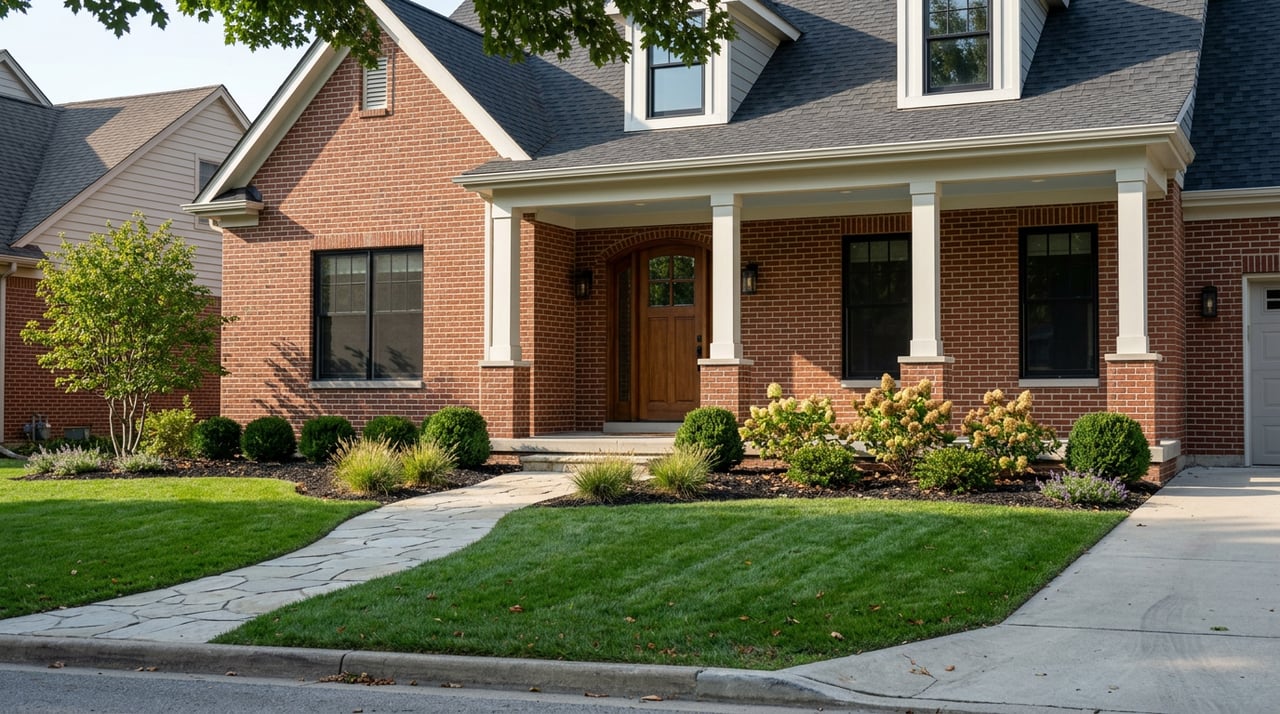
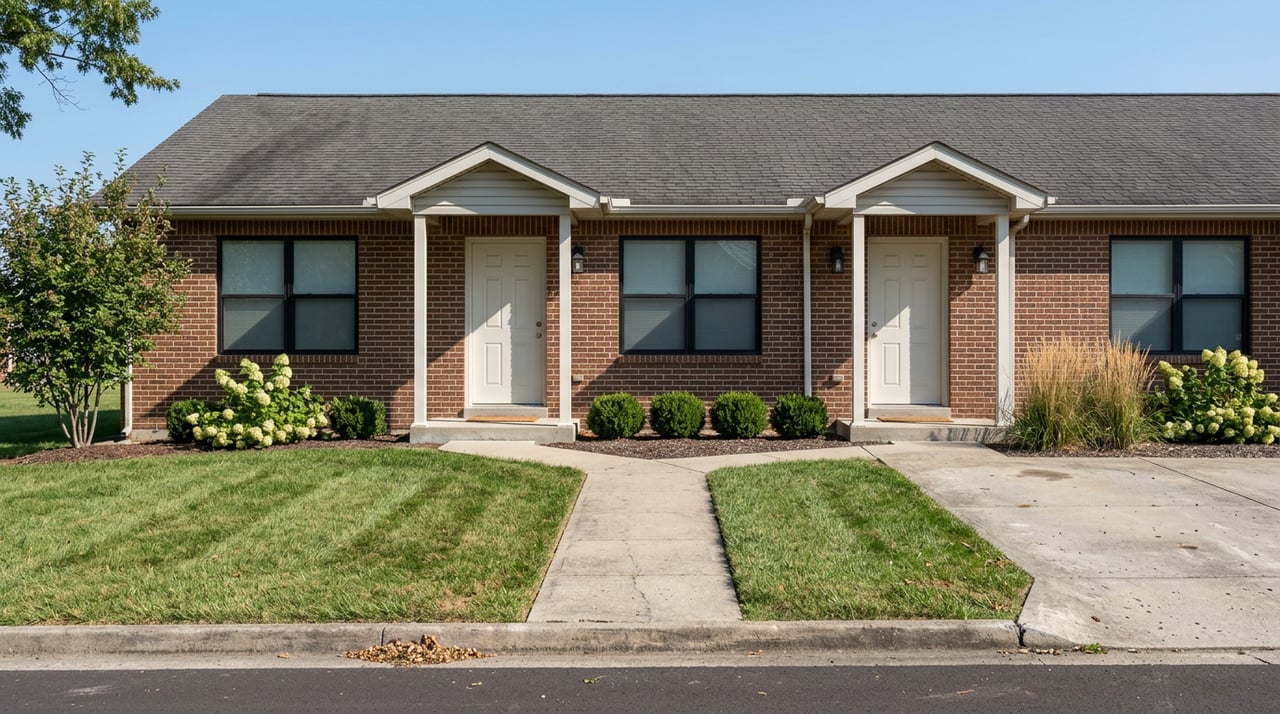
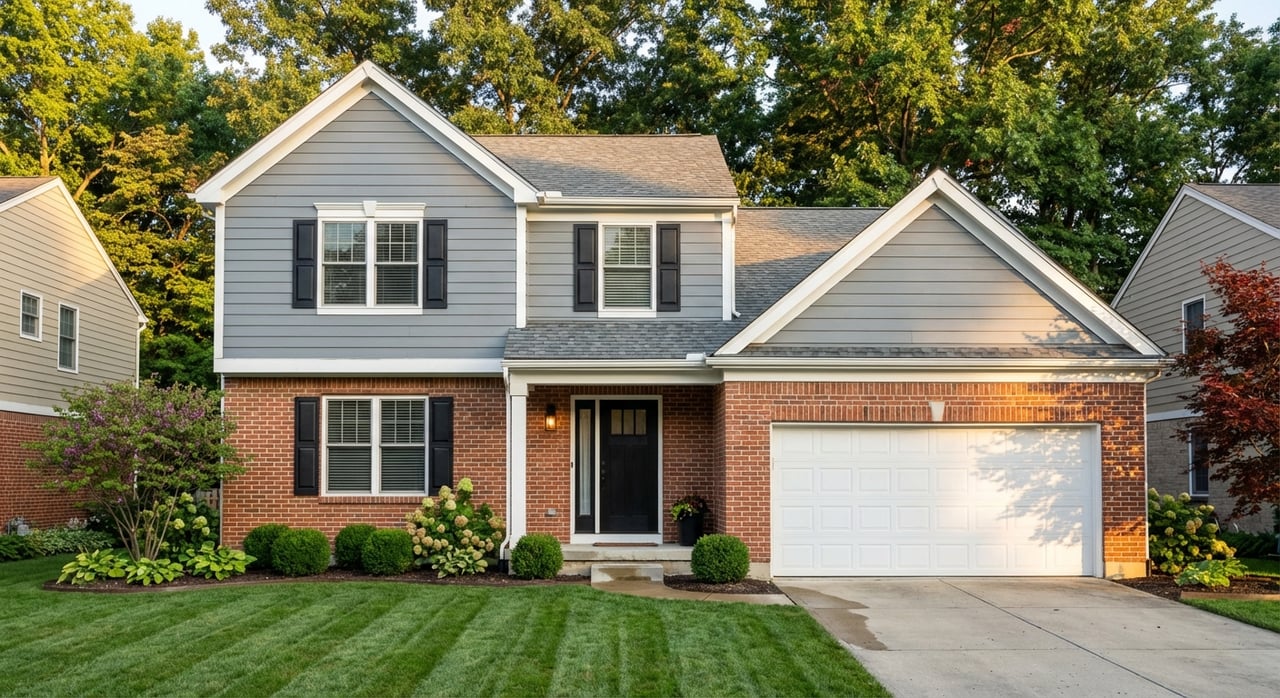
You’ll see a mix of home types:
- Single‑family homes in established subdivisions and newer builds.
- Townhomes and condos that often provide the most accessible entry point on price.
- Ongoing new construction from regional builders with different floor plans and amenities.
If new construction interests you, you can explore community details from builders directly. For example, Fischer Homes lists current info for communities like Losh Landing in Mason. Builder timelines, available lots, and finish options vary, so compare monthly payments, HOA fees, and build schedules against move‑in‑ready resale homes.
Financing options for first‑time buyers in Ohio
Smart financing is about fit, not just the lowest rate headline. Start by comparing loan types and locking down your pre‑approval before touring homes.
Standard mortgages to compare
- FHA loans. Popular for first‑time buyers who need flexible credit guidelines and lower down payments, often around 3.5% for qualified borrowers.
- Conventional 97. Allows as little as 3% down for eligible buyers on conforming loans.
- VA and USDA. Zero‑down options for eligible military service members/veterans and certain rural‑eligible areas, subject to program rules.
The Consumer Financial Protection Bureau offers a clear, step‑by‑step guide to loan shopping, pre‑approval, and comparing offers. Use the CFPB’s tools at the Owning a Home hub to request and compare Loan Estimates across multiple lenders.
Ohio assistance programs to know
- Ohio Housing Finance Agency (OHFA). OHFA provides first‑time buyer‑oriented mortgages plus programs like YourChoice! Down Payment Assistance, Grants for Grads, Ohio Heroes, and a Mortgage Tax Credit. Program terms, DPA amounts, and limits can change, so check current details and approved lenders on MyOhioHome.org.
- Communities First (Port of Greater Cincinnati). This statewide down‑payment assistance grant program offers 3%, 4%, or 5% options through participating lenders. Learn how it works and eligibility basics on the Communities First program page.
For both OHFA and Communities First, expect income and purchase‑price limits, minimum credit scores, and a required homebuyer education course. Apply early with a participating lender so your pre‑approval reflects any assistance you plan to use.
Closing costs and budgeting
Beyond your down payment, plan for closing costs at about 2% to 6% of the purchase price. Typical buyer costs include the appraisal, inspection, title services, lender fees, and prepaid taxes and insurance for your escrow account. The CFPB’s Owning a Home checklists can help you prepare documents and understand each fee.
How to write a stronger offer in Mason
A clean, well‑documented offer helps you compete without taking on unnecessary risk. Your agent will tailor tactics to the specific property and month‑to‑month market conditions.
Get fully pre‑approved
A full pre‑approval, ideally with underwriting review of your documents, signals to sellers that your financing is solid. The CFPB recommends shopping lenders and comparing Loan Estimates so your approval reflects your best terms.
Be intentional with earnest money
Earnest money in our area often runs about 1% to 3% of the purchase price. A larger deposit can show commitment, but it also increases risk if you waive protections and then need to cancel. Decide on an amount that fits your comfort level and the home’s competitiveness.
Use contingencies wisely
- Inspection contingency. Protects your right to inspect and negotiate repairs or credits. You might keep the window shorter to stay competitive, but avoid skipping inspections outright.
- Appraisal contingency. If the appraisal comes in low, you and the seller can renegotiate or you may need to bring added cash. Know your limit before offering.
- Financing contingency. A tighter timeline can strengthen your offer if your underwriting is strong and your lender is responsive.
Consider an escalation clause
In a multiple‑offer scenario, an escalation clause can automatically raise your offer up to a set cap if a verified competing offer appears. It keeps you competitive without guessing, but it needs careful drafting and a clear budget ceiling.
Key Ohio rules and your closing timeline
Seller disclosures in Ohio
Ohio law requires most residential sellers to provide a standard Residential Property Disclosure Form. You should receive it before or at contract. If it is delivered later, limited rescission rights can apply within specific timing rules. You can review the statute in the Ohio Revised Code, Chapter 5302.
Title, escrow, and closing
In Ohio, buyers typically close with a title company or closing attorney. After you go under contract, your lender orders the appraisal and coordinates with the title company for the title search and closing documents. Most financed purchases close in about 30 to 45 days depending on your loan type and any negotiated repairs. For a full buyer‑side roadmap, visit the CFPB’s Owning a Home resources.
Taxes and monthly owner costs
Property taxes in Warren County
Ohio assesses real property at 35% of market value. Your bill equals the assessed value multiplied by the combined local tax rate. Effective rates vary by school district and levies, so it is best to check a specific address. You can look up property details and levy information through the Warren County Auditor site.
HOA fees, utilities, and maintenance
HOA fees are common in newer subdivisions and many condo or townhome communities. Fees vary with amenities and services, so review the HOA budget, rules, and reserves before you commit. Build a monthly plan that includes utilities, lawn or snow services, and a maintenance reserve so you can handle routine repairs without stress.
A simple first‑time buyer checklist
Use this quick list to stay organized and confident.
- Get buyer‑ready
- Check your credit and set a savings target for earnest money, down payment, and closing costs.
- Use CFPB tools at Owning a Home to understand documents and fees.
- Line up financing
- Compare lenders and request Loan Estimates.
- If you want assistance, talk with an OHFA‑approved or Communities First participating lender early. See MyOhioHome.org and Communities First.
- Define your search
- Choose a realistic price band based on today’s ranges in Mason.
- Decide on product type: condo or townhome for a lower entry, or single‑family for more space.
- Set filters for commute, HOA needs, and features that matter most to you.
- Prepare to offer
- Have your pre‑approval letter, proof of funds for earnest money and down payment, and a plan for contingencies.
- Discuss inspection timelines, appraisal strategy, and whether an escalation clause fits your budget and risk tolerance.
- Under contract to close
- Schedule inspections quickly and review the Ohio Residential Property Disclosure and title report.
- Stay responsive to your lender to keep the 30 to 45‑day timeline on track.
Work with a local guide who moves fast
Your first purchase sets the foundation for your next. You deserve clear answers, quick scheduling, and steady negotiation from a local expert who works the Warren County and greater Dayton–Cincinnati corridor daily. That is the service approach here: practical guidance, fast action, and modern marketing tools that keep you informed and ahead of the market.
If you are ready to start or want a pricing and strategy consult, reach out to Meghan Dwyer. You will get straightforward advice, responsive communication, and a plan that fits your budget and timeline.
FAQs
What is a realistic entry price for a first‑time buyer in Mason in 2026?
- Condos and townhomes often start in the mid‑$200Ks to $300Ks, while most detached single‑family homes cluster around $350K to $700K depending on age, size, and location.
How competitive are offers in Mason right now?
- Mason is somewhat competitive, with many homes receiving about one to two offers and days on market running in the several‑weeks range, with faster action on well‑priced listings.
Which down payment assistance programs can I use in Mason?
- The Ohio Housing Finance Agency (OHFA) and Communities First offer popular down‑payment help through approved lenders; eligibility rules, limits, and homebuyer education usually apply.
How do property taxes work in Mason and Warren County?
- Ohio assesses property at 35% of market value, then applies local tax rates; use the Warren County Auditor site to estimate taxes for a specific address.
How long does it take to close on a home in Ohio with financing?
- Most financed purchases close in about 30 to 45 days, depending on your loan, appraisal timing, and any negotiated repairs, assuming you respond quickly to lender requests.