If you are getting ready to sell your home in Franklin, the last thing you want is an inspection report full of surprises. A buyer’s inspection can quickly shift a smooth deal into stressful negotiations, especially when the report points to leaks, safety concerns, or system problems. The good news is that many of the most common issues can be spotted and addressed before your home hits the market. Let’s dive in.
Why early inspection prep matters
In Ohio, buyers are encouraged to get their own professional inspection, and the residential property disclosure form is not a substitute for that inspection. That means even if you complete your disclosure carefully, a buyer can still uncover concerns later in the process.
For Franklin sellers, a practical repair plan often makes more sense than spending heavily on broad cosmetic updates. Census Bureau data shows a 60.7% owner-occupied housing rate in Franklin, with a median value of $183,100 for owner-occupied homes. In a market like this, targeted repairs that help keep the transaction moving can deliver more value than purely decorative projects.
What Ohio inspectors usually review
Ohio home inspectors are required to examine readily accessible parts of the home, including the exterior, structure, roof, plumbing, electrical, heating, cooling, insulation, ventilation, interior, and garage. They also report on the presence or absence of smoke alarms and carbon monoxide alarms, along with details such as GFCIs, AFCIs, and service panels.
Ohio’s seller disclosure form also asks about areas like the roof, foundation, walls, floors, water supply, sewer or sewage treatment, and hazardous materials such as lead-based paint, asbestos, urea-formaldehyde foam insulation, and radon gas. If you know about a problem in one of these areas, it is smart to deal with it early or at least gather clear documentation.
Roof and drainage issues to fix first
Watch for leaks and flashing problems
Roof issues are some of the first things that can raise concerns during an inspection. Ohio inspectors review roofing materials, flashing, chimneys, skylights, and other roof penetrations, so active leaks or visible wear often stand out quickly.
If you have had past leaks, staining, or loose flashing, this is worth addressing before listing. Even a small roof problem can make buyers worry about bigger hidden damage.
Clean gutters and improve water flow
Inspectors also look at roof drainage, grading, and surface drainage around the home. That matters in this area because nearby Dayton climate normals show 41.33 inches of annual precipitation and 25.0 inches of annual snowfall, which puts steady stress on gutters, downspouts, and drainage paths.
Before you list, make sure gutters are cleaned, downspouts direct water away from the house, and low spots near the foundation are not collecting runoff. These are practical fixes that can help reduce inspection concerns and buyer questions.
Basement and structural concerns to address
Pay attention to cracks and seepage
Ohio inspectors must report on the foundation and structural components of the home, including floor, wall, ceiling, and roof structure. They also check readily accessible crawl spaces and attics.
If your basement has recurring seepage, wall staining, musty areas, or visible cracks, those issues are likely to draw attention. You do not need to panic over every hairline crack, but recurring moisture and obvious structural signs are worth evaluating before you go live.
Document known conditions clearly
Ohio’s disclosure form asks sellers to identify known structural problems. If you have repaired a moisture issue, stabilized a crack, or corrected drainage around the house, save invoices and notes so you can show what was done.
Clear documentation does two helpful things. It shows buyers you have been proactive, and it can reduce uncertainty during negotiations.
Electrical and safety items buyers notice
Replace missing alarms and safety devices
Inspectors in Ohio report the presence or absence of smoke alarms and carbon monoxide alarms. Missing, outdated, or inoperative alarms are simple issues that can still create friction.
This is one of the easiest categories to tackle early. If an alarm is missing or not working, replace it before showings begin.
Check GFCIs and obvious electrical defects
Inspectors also review service equipment, grounding, panels, subpanels, and a representative sample of receptacles and fixtures. Ohio’s residential electrical rule requires GFCI protection in places such as garages, unfinished basements, and outdoor outlets.
If you know an outlet does not work, a breaker trips often, or a panel has visible concerns, do not leave it for the buyer to discover. Electrical and safety issues tend to trigger repair requests because they affect function and peace of mind.
Mechanical systems worth servicing now
HVAC problems can become negotiation points
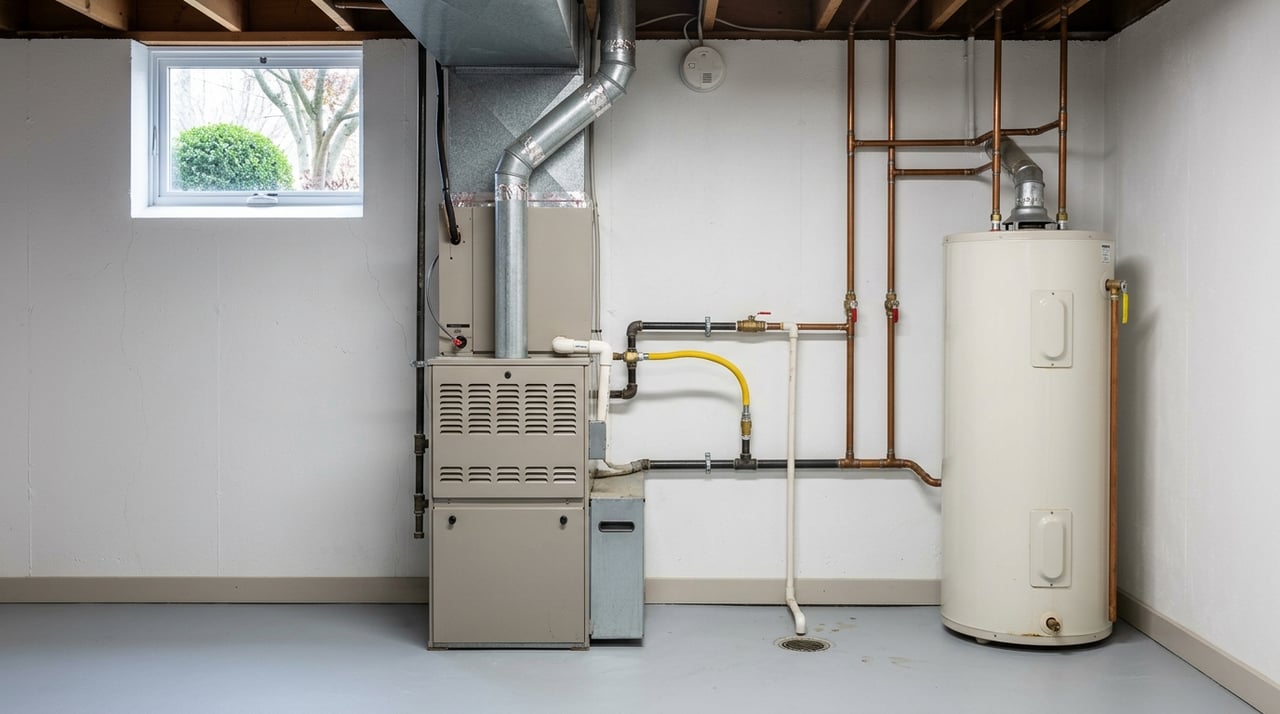
Ohio inspection standards require inspectors to review heating equipment, venting, distribution systems, cooling systems, and water-heating equipment. They may also note approximate age where relevant.
If your furnace has not been serviced recently, airflow is weak, or the AC struggles to cool the home, it is smart to address that before listing. Buyers often focus on these systems because replacement costs can be significant.
Water heater leaks should not wait
A rusting or leaking water heater can quickly turn into a red flag on an inspection report. The same goes for venting problems or clearly neglected mechanical equipment.
In many cases, the best value comes from fixing function problems and keeping service records organized. That way, you are not just saying the system works. You are showing it has been maintained.
Radon deserves special attention in Franklin
Warren County is in Zone 1 on Ohio’s radon-zone map, which is the highest-potential category. Ohio also licenses radon testers, mitigation specialists, and mitigation contractors.
Because Ohio’s seller disclosure form specifically includes radon gas, a pre-list radon test can be a smart step, especially if your home has a basement or finished lower level. Testing early gives you time to decide whether to mitigate, disclose, or prepare for likely buyer questions.
What to fix versus what to leave alone
Prioritize leaks, safety, and function
If you are trying to decide where to spend money, focus on issues tied to water intrusion, safety, or systems that do not work properly. These are the problems most likely to delay a sale or lead to repair requests.
High-priority items often include:
- Roof leaks
- Missing or damaged flashing
- Gutter and drainage problems
- Broken railings
- Nonworking smoke or carbon monoxide alarms
- Unsafe electrical conditions
- HVAC function problems
- Water heater leaks
- Visible moisture intrusion
Cosmetic updates usually come second
Ohio’s home inspection standards do not require inspection of paint, wallpaper, window treatments, or most decorative finish treatments. That means peeling wallpaper or dated decor may affect presentation, but those items are usually less important than health, safety, and system concerns.
If your budget is limited, put repair dollars toward the items most likely to appear in an inspection report. Cosmetic work can help with first impressions, but it usually should not come before core repairs.
A simple pre-list plan for Franklin sellers
If you want to get ahead of inspection issues without overcomplicating the process, keep your prep focused.
Use this early seller checklist
- Walk the exterior after rain and look for drainage problems
- Check for roof stains, loose flashing, or gutter overflow
- Look in the basement or lower level for seepage, staining, or musty areas
- Test smoke alarms and carbon monoxide alarms
- Verify GFCI outlets work in the garage, unfinished basement, and outdoors
- Service HVAC equipment if maintenance has been delayed
- Watch for water heater leaks or rust
- Gather records for past repairs and maintenance
- Consider radon testing before listing
Why this approach works in Franklin
Franklin sellers often benefit from a repair-first strategy instead of a remodel-first strategy. With moderate home values, a strong owner-occupied housing base, and weather that adds wear to roofs and drainage systems, practical fixes usually do more to support a smooth sale than major cosmetic overhauls.
The goal is not to make an older home look brand new. The goal is to reduce surprises, show buyers that the home has been cared for, and make it easier to move from showing to contract to closing.
If you want a clear, practical plan for what to fix before you list in Franklin, Meghan Dwyer can help you focus on the repairs that matter most and get your home market-ready with less stress.
FAQs
What home inspection issues matter most for sellers in Franklin, Ohio?
- The biggest issues are usually leaks, drainage problems, visible moisture intrusion, unsafe electrical conditions, nonworking alarms, HVAC problems, and water heater leaks.
Should you fix cosmetic issues before listing a home in Franklin?
- Cosmetic issues can help presentation, but Ohio inspection standards focus more on systems, safety, and readily accessible structural and exterior components.
Why should Franklin sellers think about radon before listing?
- Warren County is in Zone 1, the highest-potential radon category, and Ohio’s seller disclosure form specifically includes radon gas.
What does an Ohio home inspector typically look at during a sale?
- Ohio inspectors review readily accessible exterior, structural, roof, plumbing, electrical, heating, cooling, insulation, ventilation, interior, and garage components, plus certain life-safety items.
How can sellers in Franklin reduce inspection-related negotiation?
- You can reduce friction by addressing major repair items early, testing key safety devices, improving drainage, servicing systems, and keeping records for completed work.