Thinking about moving to a smaller home in Franklin? You are not alone, and the decision is about more than cutting square footage. If you want less upkeep, simpler monthly costs, or a home that fits your next stage of life better, the right plan can make the move feel manageable instead of overwhelming. Here is how to right-size your next home in Franklin with a clear strategy from the start.
Why downsizing in Franklin makes sense
Franklin gives you a practical setting for a right-size move. As of March 2026, Realtor.com reported 106 homes for sale in Franklin, with a median listing price of $233,750, a median of 38 days on market, and a 99% sale-to-list ratio. That tells you the market is active enough to create options, while still rewarding smart timing and accurate pricing.
The bigger picture in Warren County also matters. According to the county’s 2024 annual financial report, residential new construction decreased while sale prices stayed steady across the county. For many downsizers, that means your next home may be an existing resale property rather than a large pool of new builds.
Define what right-sizing means for you
Downsizing is not always about buying the smallest home possible. It is about finding a home that supports the way you want to live now. For some people, that means fewer stairs. For others, it means a smaller yard, less maintenance, or a layout that feels easier to manage day to day.
Before you start looking at listings, make a simple list of your top priorities. Focus on lifestyle needs first, then square footage second. That helps you avoid giving up features you still use and value.
Common right-size priorities
- Lower maintenance inside and outside
- Fewer stairs or easier daily access
- Smaller lot or less yard work
- Lower monthly housing costs
- Staying close to the Franklin community
- A layout that works well for guests or hobbies
Know your smaller-home options in Franklin
Franklin’s local planning and zoning framework supports a variety of housing choices that can fit downsizing goals. The city’s ongoing Reinvent Franklin 2040 planning work and its 2025 development code update recognize housing types such as row houses, townhouses, and elderly housing.
That matters because it gives you a realistic framework for your search. You are not limited to one type of property. Depending on your goals, you may find a better fit in an attached home, a smaller resale house, or an age-restricted development.
Smaller resale homes
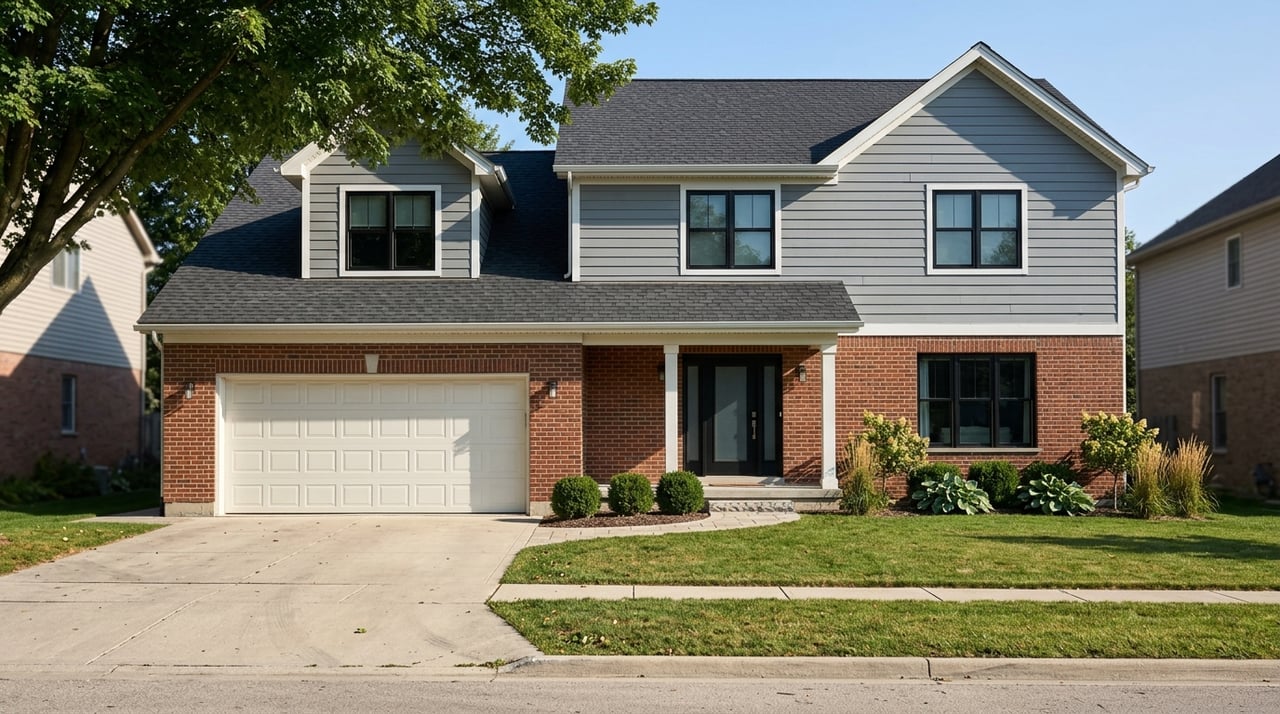
Existing single-family resale homes are likely to be one of the most available downsizing paths in Franklin. With fewer new homes being added countywide, resale inventory may offer the widest range of price points, lot sizes, and locations.
This can be a strong option if you still want a detached home but no longer need the size of your current one. You may also find opportunities to trade extra square footage for a more efficient layout.
Townhouses and row houses
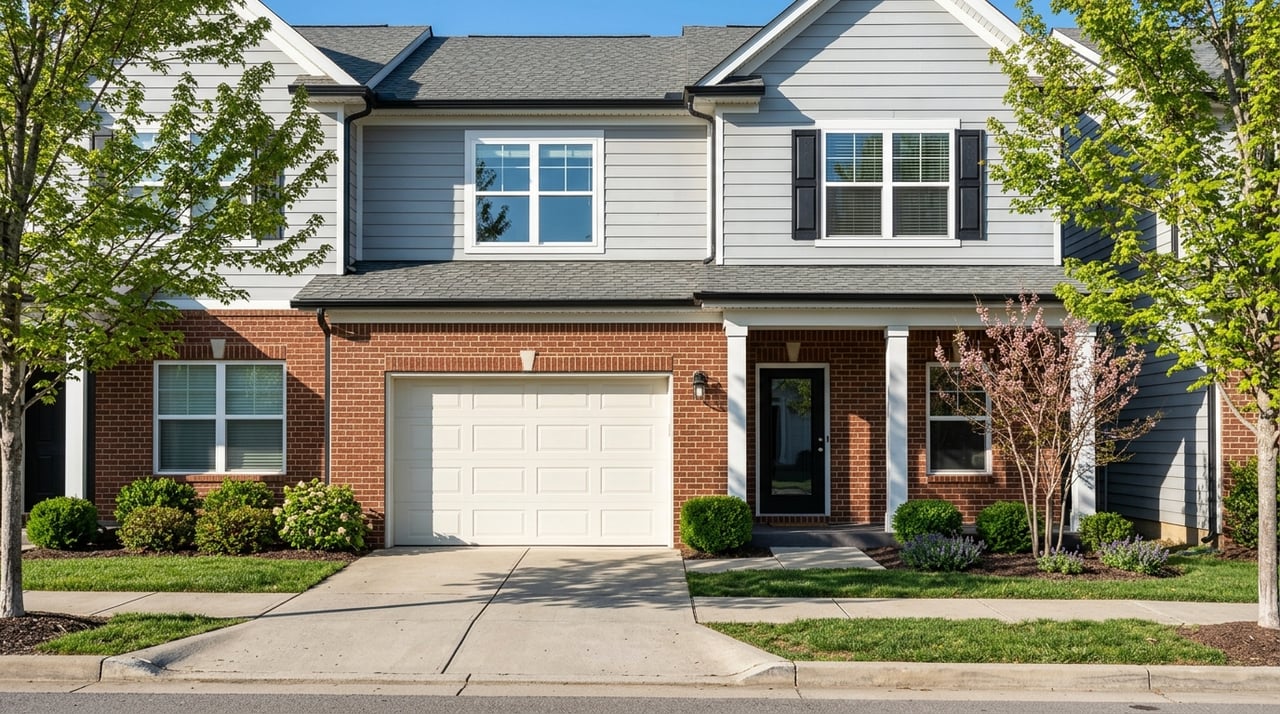
Franklin’s 2025 UDO amendment defines townhouses as shared-wall homes with separate entrances and separate lots of record. For many downsizers, that makes attached housing worth a serious look.
A townhouse can offer less exterior upkeep than a larger detached home while still giving you private entry and a more traditional residential feel. If your goal is low maintenance without moving far from the area you know, this may be a practical option.
Age-restricted housing
Franklin’s code also recognizes elderly housing as an age-restricted residential development that may be offered in housing forms allowed under federal fair housing rules. The code states that these projects should be near shopping and community facilities where possible, and it limits units to no more than two bedrooms in this category. It also requires deed restrictions or HOA bylaws in condo-style projects.
If age-restricted housing is on your radar, this gives you a helpful starting point for what to expect locally. It also reinforces that these communities are part of Franklin’s broader housing mix.
Compare your costs before you move
One of the biggest downsizing mistakes is assuming a smaller home automatically means lower monthly costs. In reality, your payment can change based on mortgage rate, taxes, HOA costs, insurance, and how much equity you bring into the purchase.
That is why it helps to estimate your net proceeds before you shop seriously. Start with your current home’s likely sale price, subtract your mortgage payoff and expected closing costs, then compare that number to the price range of homes you are considering.
Questions to answer early
- Will you likely buy with cash, or finance part of the purchase?
- Would a smaller mortgage still keep your monthly payment comfortable?
- Are HOA fees part of the tradeoff for lower maintenance?
- Do you need some sale proceeds available for moving, repairs, or furnishings?
Mortgage rates are still part of the picture. Freddie Mac reported a 30-year fixed average of 6.37% and a 15-year fixed average of 5.74% for the week ending April 9, 2026. Even if you are borrowing less than before, today’s rate environment can affect whether your monthly housing cost really goes down.
For financing and closing prep, the Consumer Financial Protection Bureau homeownership resources can help you review loan offers and use a closing checklist before settlement.
Prepare your current home to sell
If selling your current home is part of the downsizing plan, keep your prep practical. In Franklin’s current market, homes are selling close to asking price on average, which means presentation and pricing matter, but large renovation projects may not be necessary.
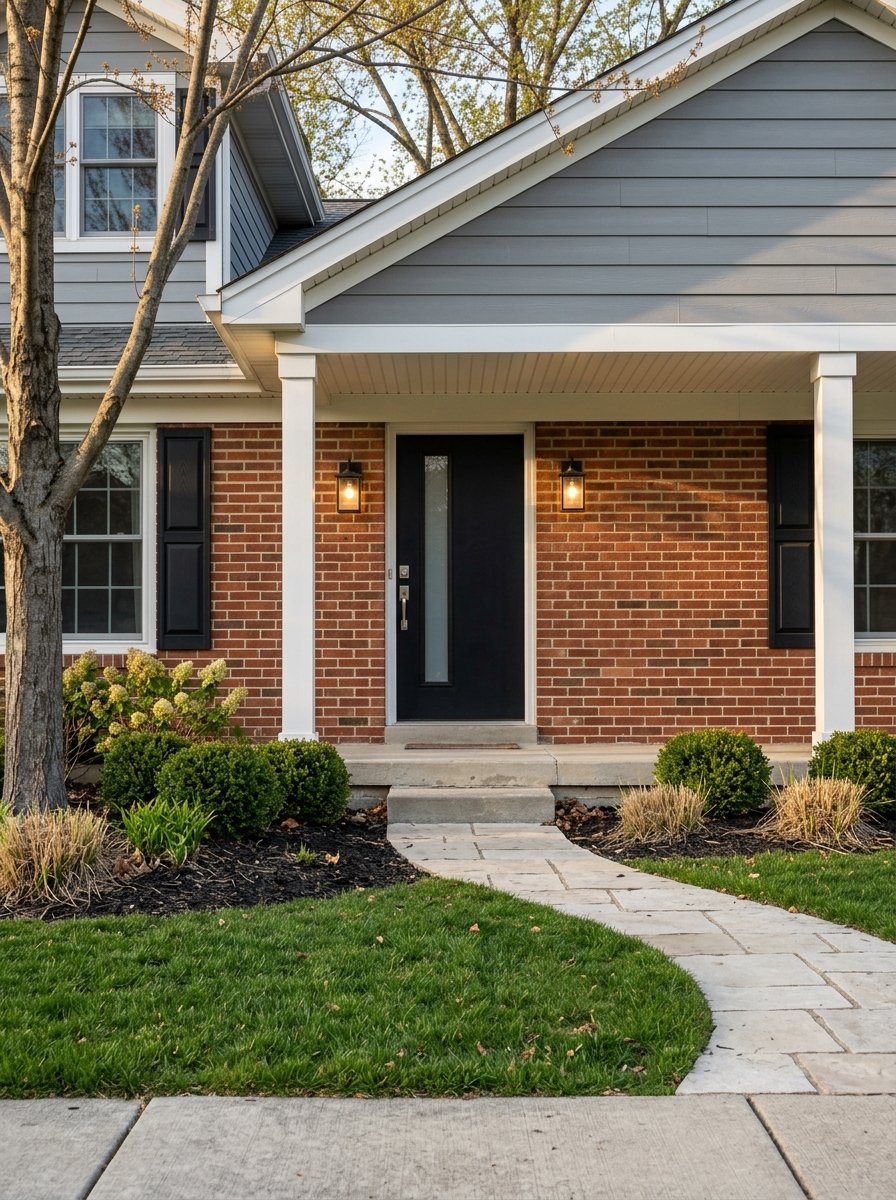
According to Realtor.com’s local market guidance, smaller cosmetic improvements like paint, fixtures, and landscaping tend to be more helpful than major remodels, which often do not return their full cost. That can be good news if you want to move without taking on a long, expensive project first.
Focus on updates with broad appeal
- Fresh interior paint where needed
- Updated light fixtures or hardware
- Basic landscaping cleanup
- Decluttering and simpler furniture layouts
- Minor touch-ups that make the home feel cared for
Decide whether to sell first or buy first
This is one of the most important timing decisions in any downsizing move. Selling first can reduce the risk of carrying two homes at once and gives you a clear budget for the next purchase. Buying first can give you more flexibility, but it can also raise your carrying costs and timing pressure.
Franklin’s local market guidance highlights that same tradeoff. There is no one right answer for everyone, but your comfort with overlap, cash flow, and temporary housing should guide the decision.
Plan bridge housing early
If your move may include a temporary rental or short-term landing spot, start planning early. Franklin’s rental market is limited. As of March 2026, Realtor.com reported just 10 rentals with a median rent of $887.
That small rental pool means a wait-and-see approach can be risky. If your downsizing plan depends on bridge housing, it is smart to line that up before your current home hits the market.
Understand local tax details
Property taxes can affect your monthly budget after a move, so it helps to understand a few local basics. Warren County appraises real estate on a six-year cycle with three-year updates, and Ohio assesses taxable value at 35% of appraised value, according to the Warren County Auditor.
If you are eligible, the county’s Homestead Exemption may be worth reviewing. For tax year 2026, applicants must use 2025 Ohio adjusted gross income of no more than $41,000, must own and occupy the home as a primary residence on January 1, and must file form DTE 105A after the first Monday in January and by December 31. The exemption applies to only one home in Ohio.
If you believe a property valuation is too high, the Board of Revision accepts complaints from January 1 through March 31 of the following tax year.
Use local support if staying independent matters
For some homeowners, downsizing is part of a broader plan to stay local and live more comfortably for the long term. If that sounds like you, support services can play an important role in the transition.
Warren County’s Elderly Services Program offers help for residents age 60 and older, including personal care, housekeeping, cooking, transportation, and other support services. County transit also offers discounted fares for elderly or disabled passengers, along with medical transportation for qualifying Medicaid riders. If aging in place is part of your plan, these resources can help bridge the gap between your current home and your next one.
A simple downsizing game plan
If you want to keep the process organized, break it into a few clear steps.
- Define your must-haves for the next home.
- Estimate your net proceeds and target budget.
- Talk through financing options if you plan to borrow.
- Prep your current home with cosmetic updates, not major overhauls.
- Decide whether to sell first or buy first.
- Line up any temporary housing well in advance.
- Review tax and support resources that may affect your long-term costs.
Downsizing in Franklin can absolutely be a smart move, but the best results usually come from planning early and staying realistic about inventory, timing, and total monthly cost. If you want a straightforward plan for selling your current home and finding the right next fit, Meghan Dwyer can help you map out your options with clear local guidance.
FAQs
What types of homes work best for downsizing in Franklin?
- Common options include smaller resale homes, attached townhouses or row houses, and age-restricted housing, depending on your goals and eligibility.
Should you sell your Franklin home before buying your next one?
- Selling first can reduce the risk of carrying two homes, while buying first can offer more flexibility but may increase your costs and timing pressure.
Should you renovate before listing a downsizing home in Franklin?
- In Franklin’s market, smaller cosmetic updates like paint, fixtures, and landscaping are usually more practical than major remodels.
What if a Warren County property tax assessment seems too high?
- You can review the appeal process through the county Board of Revision, which accepts complaints from January 1 through March 31 of the following tax year.
Are there local services that can support aging in place near Franklin?
- Yes, Warren County offers elderly services and transportation programs that can help eligible residents with in-home support and mobility needs.
Is it hard to find temporary rentals in Franklin during a downsizing move?
- It can be, because Franklin’s rental supply is limited, so bridge housing should be arranged as early as possible.